

Choosing the Right Corrugated Box
Learn the difference between single-wall and double-wall boxes, plus how to match box strength to your products.
Proper sealing keeps shipments secure and reduces damage claims. We cover tape types, application techniques, and cost-effective bulk purchasing strategies.
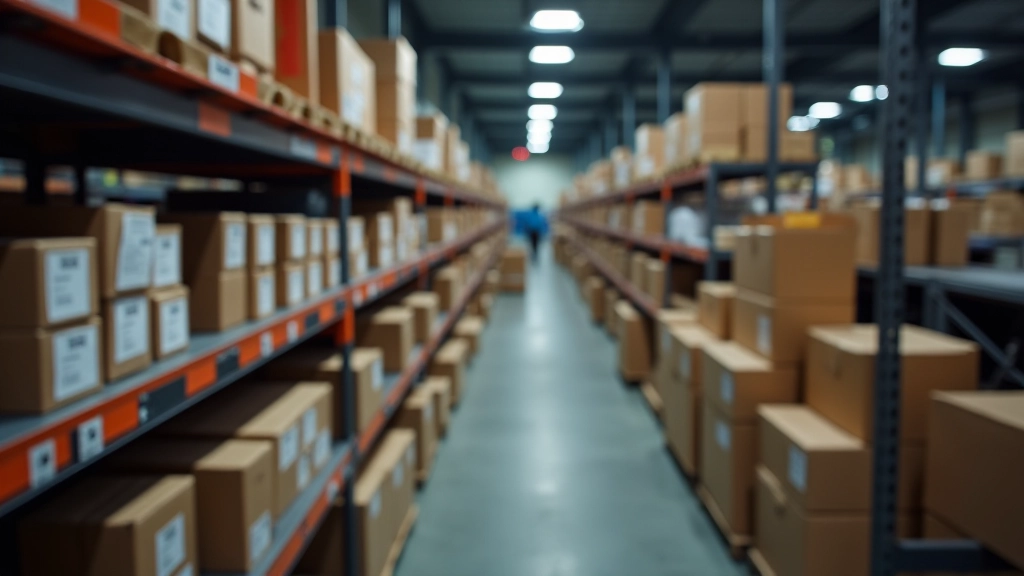
You'll notice that most damage claims come from boxes that weren't sealed properly. It's not just about keeping things closed — it's about creating a tamper-evident, moisture-resistant barrier that protects your products during transit. We've seen businesses cut their damage rates by half just by switching to the right tape and technique.
The thing is, there's a huge difference between quickly taping a box shut and actually sealing it. Speed matters when you're shipping hundreds of boxes daily, but corners cut in the sealing process cost you far more in replacement claims and customer returns.
Not all tape is created equal. Your choice depends on what you're shipping, where it's going, and how long it needs to stay sealed. Clear acrylic tape works great for most boxes and costs less. But if you're shipping internationally or dealing with extreme temperatures, you'll want something more robust.
Kraft paper tape is our go-to for eco-conscious businesses — it's recyclable and works brilliantly on cardboard. Reinforced gummed tape (the kind that needs water) offers incredible holding power but requires a tape gun. Polypropylene tape is budget-friendly and perfect for light packages. Most warehouses we work with actually use two or three types depending on the shipment.
Width matters too. Standard 48mm tape covers most boxes fine, but heavier items benefit from 72mm or even 100mm tape for extra coverage. You're not just covering the seam — you're creating a secure barrier that holds under stress and vibration.

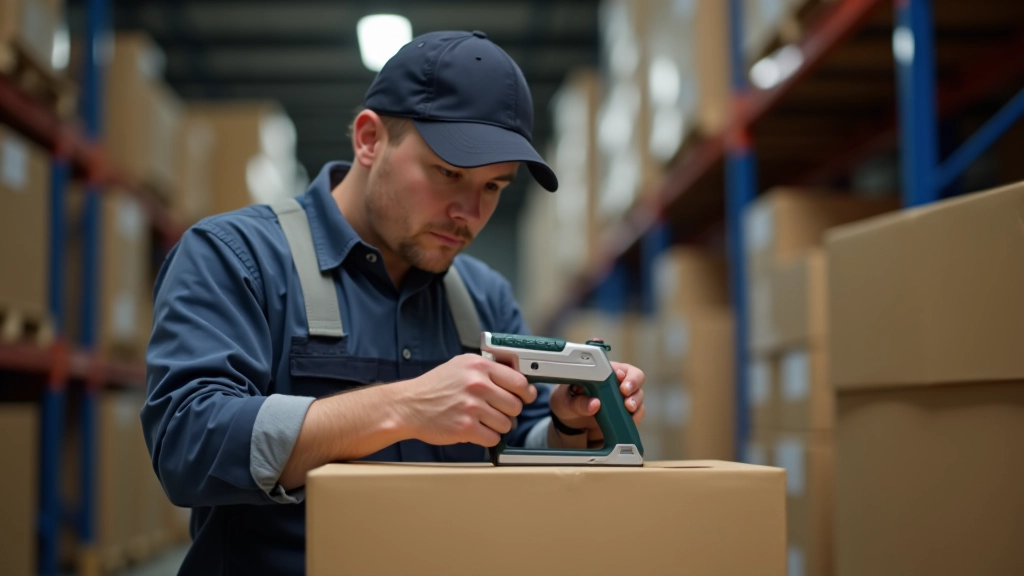
Here's where most people go wrong — they tape the top and call it done. Actually, you need to seal three spots: the top center seam, both side flaps on top, and the bottom center seam. That's your minimum. For heavier boxes, you'll want additional strips running parallel to these main seams.
Apply tape under consistent pressure. Don't just press lightly and move on. Proper sealing takes about 3-4 seconds per tape strip. Let the tape sit for a moment before moving the box — it needs time to bond. Temperature matters too. If your warehouse is cold (below 50°F), tape won't stick properly. Room temperature is ideal.
Use a tape gun if you're shipping more than 50 boxes daily. Manual dispensers get tiring and you'll sacrifice consistency. A quality tape gun maintains even pressure and ensures the right amount of tape every time. Plus, your workers' hands won't hurt at the end of the shift.
Buying tape in bulk makes sense if you're shipping regularly. A single roll costs more per meter than a case of 36 rolls. We recommend calculating your weekly usage first — most businesses underestimate this. If you're sealing 200 boxes per week with 48mm tape, you're using roughly 8-10 rolls weekly.
Order 3-4 weeks' worth at a time. This covers unexpected spikes without forcing you to store six months of inventory. Storage matters — keep tape in a dry space between 60-75°F. Humidity affects adhesion, and heat can cause tape to stick to itself on the roll. Don't stack cases higher than five boxes — the weight can compress the tape and ruin lower rolls.
Test before committing to large orders. Get a sample case and run it through your normal process. Check adhesion on your box type, test it in your warehouse temperature, and see how it performs under your team's actual application technique. What works perfectly in a supplier's demo might not work in your environment.
The recommendations in this guide are based on general packaging best practices and industry standards. Specific requirements may vary depending on your products, shipping destinations, carrier requirements, and local regulations. For hazardous materials or specialized shipments, always consult with your carrier and follow all applicable shipping regulations. This guide is informational and not a substitute for professional advice from packaging engineers or your shipping carrier.
The investment in proper sealing pays for itself through reduced damage claims and improved customer satisfaction. Start by auditing your current process — are you sealing all the right spots? Is your tape appropriate for what you're shipping? Are your workers using consistent pressure and technique?
Make one change at a time. Switch to better tape first, or invest in tape guns, or improve your sealing technique. Track your damage rates before and after each change. You'll see the difference pretty quickly, and you'll understand which investments give you the best return.
Proper sealing isn't complicated, but it does require attention to detail. Every box you send out with a solid seal is one less customer complaint and one more opportunity to build trust. That's worth the extra few seconds it takes to do it right.
Editorial Team
Written by the altostead editorial team, focused on practical guidance for packaging and shipping professionals in Ireland.
Learn the difference between single-wall and double-wall boxes, plus how to match box strength to your products.
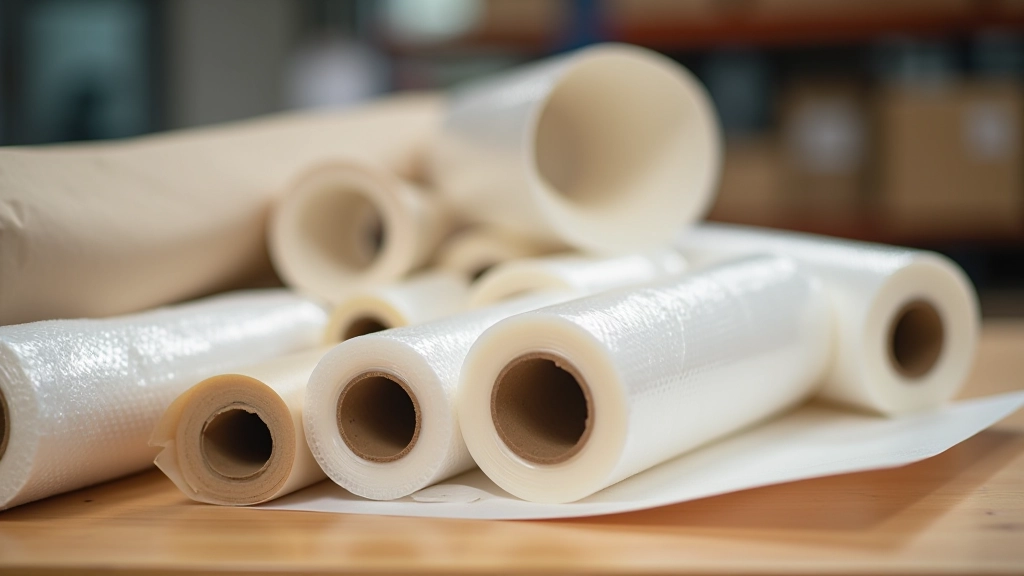
We compare bubble wrap, foam padding, kraft paper, and air pillows. Find out which material suits your needs best.

Track stock levels, forecast seasonal demand, and negotiate bulk pricing. We walk you through the process.