
Protective Packaging Materials Explained
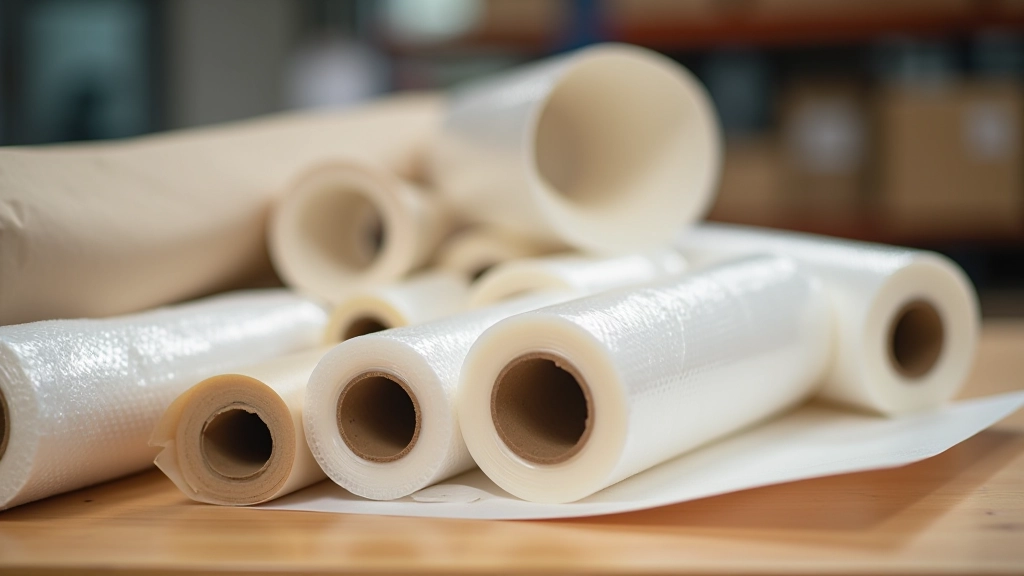
We compare bubble wrap, foam padding, kraft paper, and air pillows. Find out which works best for your products and budget.
Read GuideLearn how to match box strength to your product weight and shipping distance. We'll walk you through single-wall versus double-wall options and help you avoid costly packaging mistakes.

You've probably noticed corrugated boxes come in different thicknesses and strengths. That's not just variation—it's a system designed to protect different products across different distances. Pick the wrong one and you're either overpaying for protection you don't need, or risking damaged goods that cost far more to replace.
The good news? There's a straightforward logic to it. You don't need to be an engineer to understand what works. In this guide, we'll break down the real differences between box types, show you how to calculate the right strength for your shipments, and walk through some common mistakes we see businesses make when ordering packaging.
The fundamental difference comes down to how many layers of corrugated material are in the walls. Single-wall boxes have one layer of corrugation sandwiched between two flat liners. They're lighter, cheaper, and perfectly fine for many applications—think retail boxes, lightweight electronics, or items shipping short distances.
Double-wall boxes have two layers of corrugation. This means more cushioning, more strength, and better protection for heavier items or long-distance shipments. If you're sending something fragile across the country or stacking multiple boxes on a pallet, double-wall is your answer.
There's also triple-wall for extreme situations—industrial equipment, very heavy items, or export shipments that'll be handled roughly. But most Irish businesses find single or double-wall covers 90% of their needs.
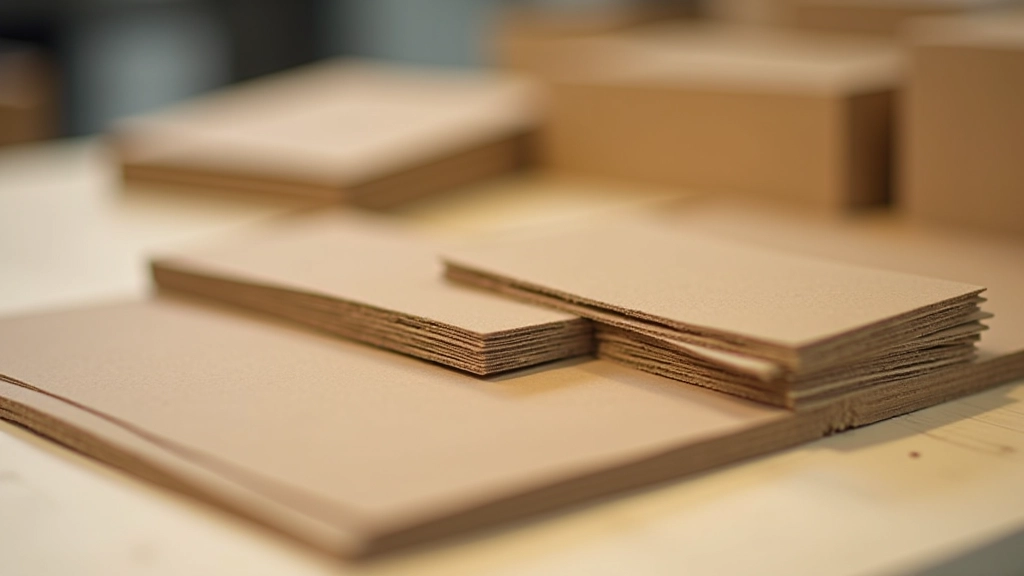

Here's where things get technical, but stay with us—it's actually straightforward. Two numbers matter most: ECT (Edge Crush Test) and burst strength. ECT tells you how much force the box edges can handle before collapsing. It's measured in pounds per linear inch. Burst strength measures how much pressure the flat surfaces can take before rupturing.
For most shipping applications, ECT is your primary concern. A 200 ECT box handles standard small parcels. Jump to 275 ECT and you're ready for heavier items. We've seen 350+ ECT used for truly heavy goods or palletized shipments.
The rule of thumb: multiply your product weight by the number of boxes you're stacking, then add 25% for safety margin. That gives you your minimum ECT requirement. It's not rocket science, but it saves headaches.
Let's get practical. You've got products to ship. Here's how you actually decide what to order. First, weigh your typical shipment. Include the product and any interior padding. Second, think about distance. Dublin to Cork? Single-wall works fine. Dublin to London or beyond? Go double-wall. Third, consider handling—will this box be stacked in a warehouse for weeks or shipped direct?
We see a lot of businesses either over-protect everything (spending money unnecessarily) or under-protect and deal with damage claims. The sweet spot is usually in the middle. Use a 275 ECT double-wall box for most mid-range products shipping across Ireland. You'll rarely regret it.
One more thing: don't just look at the ECT number. Check the flute type—A, C, B, and E flutes offer different compression strengths. A flute is thicker and stronger. E flute is thinner but still surprisingly durable for light items. Your supplier can help you pick, but knowing this exists means you're asking the right questions.

This guide provides general information about corrugated box selection and isn't a substitute for professional consultation. Actual packaging requirements vary significantly based on product type, fragility, climate conditions, and specific shipping methods. We recommend discussing your exact needs with a packaging specialist before placing large orders. Factors like temperature extremes, moisture exposure, and impact resistance during handling can affect performance in ways beyond standard ECT ratings.
Choosing the right corrugated box doesn't require guesswork. You've got the tools now: understand single-wall versus double-wall, know your ECT requirements, and think through your specific shipping scenarios. Most businesses find their sweet spot and stick with it—usually a 275 ECT double-wall box for general shipping across Ireland.
The real savings come from consistency. Once you've tested a box type and it works, order in bulk. You'll get better pricing and eliminate the constant second-guessing. Your products arrive safely, your customers stay happy, and you're not wasting money on over-engineered packaging you don't actually need.
Ready to order? Start with a sample of what you think you need. Test it with an actual shipment. Then make your bulk order based on real results, not theory. That's how you get packaging right.
Need help selecting boxes for your specific products?
Get in Touch with Our Team
Author
Editorial Team
Written by the altostead editorial team, focused on practical guidance for packaging and shipping professionals in Ireland.
Deepen your knowledge with these related articles
We compare bubble wrap, foam padding, kraft paper, and air pillows. Find out which works best for your products and budget.
Read Guide
Proper sealing keeps shipments secure and reduces damage claims. We cover tape types, application techniques, and common mistakes.
Read Guide
Track stock levels, forecast seasonal demand, and negotiate bulk pricing. We walk you through inventory best practices.
Read Guide