

Choosing the Right Corrugated Box
Learn the difference between single-wall and double-wall boxes, plus how to match box strength to your product weight and shipping distance.
Compare bubble wrap, foam padding, kraft paper, and air pillows. Find out which works best for fragile items, electronics, and delicate goods.
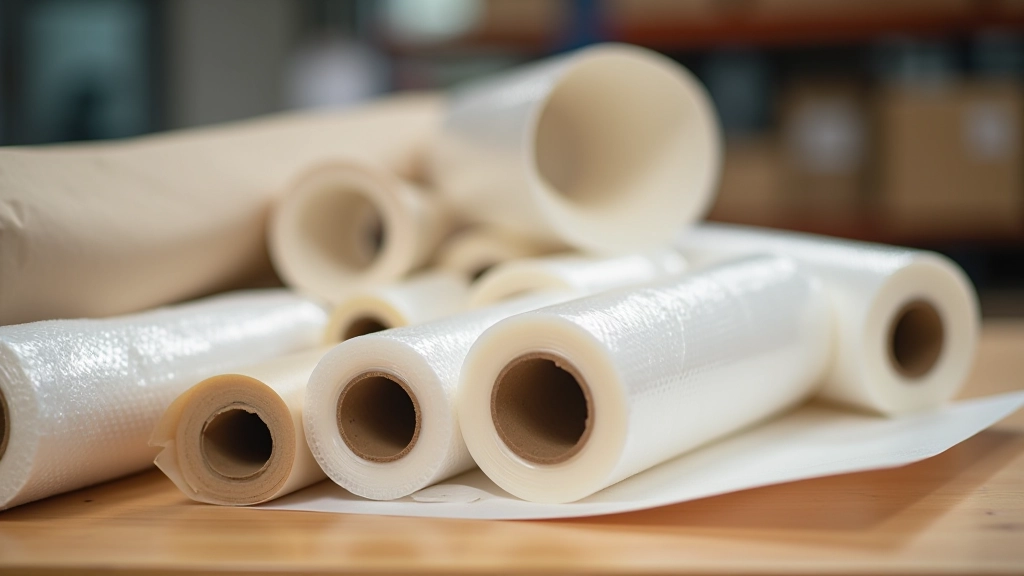
Shipping damage costs money. A single broken item doesn't just mean replacing stock — you're dealing with customer complaints, returns, and reputation damage. The right protective packaging prevents all of that. It's not just bubble wrap thrown in a box. There's actual science to matching materials with what you're shipping.
We're going to walk through the main options: what they do, how much they cost per unit (roughly), and when you'd actually use each one. By the end, you'll know exactly which material fits your products and your budget.
How fragile is what you're shipping? That answer determines everything else. Lightweight items need different protection than heavy machinery parts.
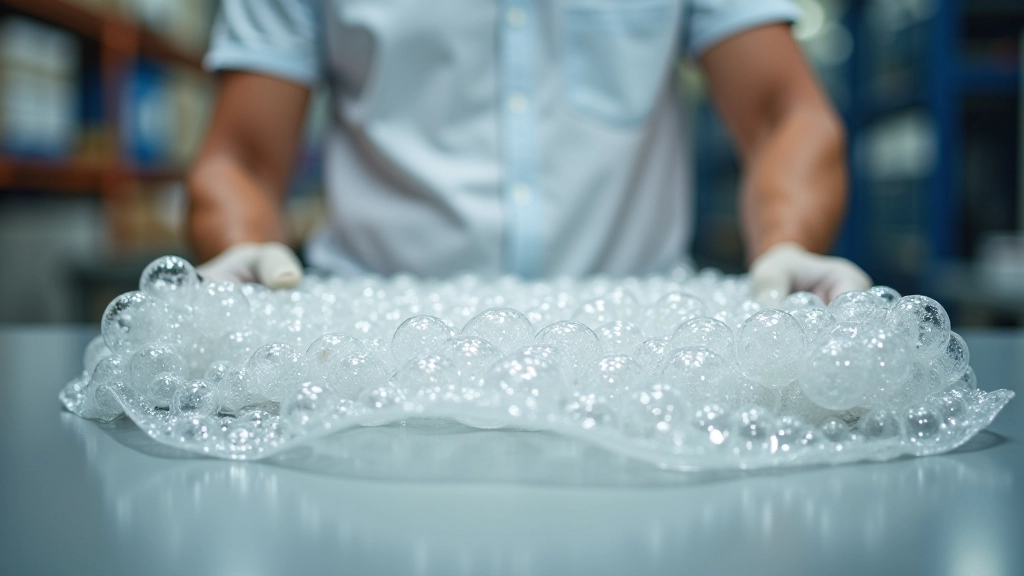
Bubble wrap is everywhere for a reason. Those air-filled bubbles absorb shock, and they're reusable. You'll find it in two main varieties: small bubbles (3/8 inch) for lighter items, and large bubbles (5/8 inch) for heavier protection. Small bubbles provide more cushioning per square inch. Large bubbles take up less space but still offer solid protection for moderately fragile goods.
The downsides? It's not eco-friendly. Recycling rates are low because most facilities don't accept it easily. And if you're shipping electronics, you need to be careful — static electricity can damage sensitive components. Antistatic bubble wrap exists but costs more.
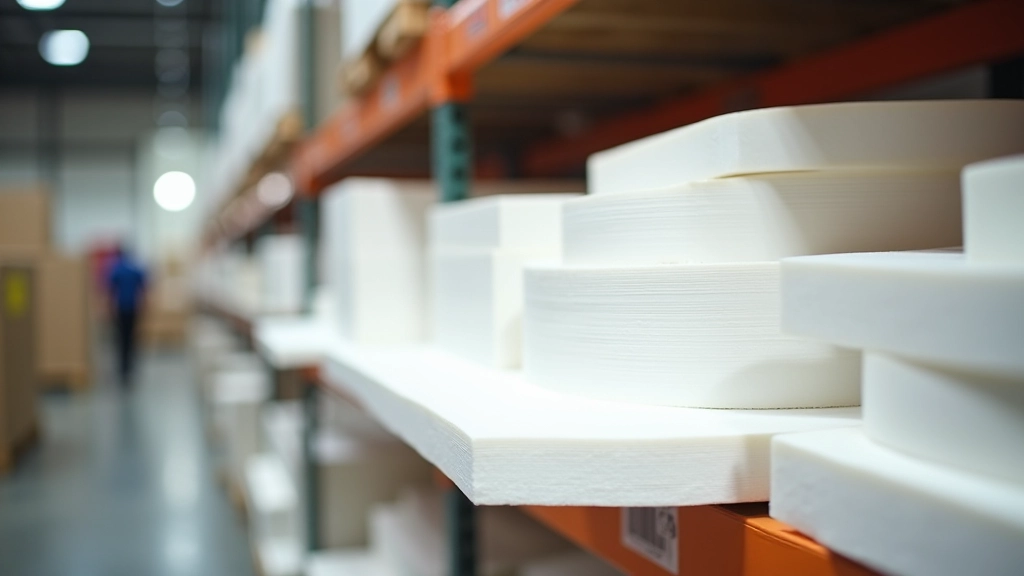
Foam padding absorbs impact differently than bubble wrap. It's denser, more stable, and doesn't shift around inside the box. Expanded polystyrene (EPS) foam is the most common — it's lightweight and offers excellent protection. Polyethylene foam is slightly less rigid but more flexible, which works better for irregular shapes.
The trade-off is environmental impact. Traditional foam doesn't decompose easily. You've got biodegradable foam options now, though they're pricier. If you're shipping expensive electronics or high-end products, foam is worth the extra cost. It looks more professional too, which matters for unboxing experiences.
Foam sheets come in various thicknesses — typically 1/2 inch to 2 inches. For really delicate items like artwork or antiques, 2-inch foam is the baseline. Most general shipping does fine with 1 inch.
Kraft paper is the packaging world's unsung hero. It's recyclable, compostable, and doesn't require any special disposal. Crumpled kraft paper fills voids brilliantly — it prevents items from shifting during transit. You're not getting shock absorption like foam, but you're getting smart void filling and excellent sustainability credentials.
The reality? Kraft paper works best as a complement, not a replacement. Use it to fill empty spaces inside the box after you've wrapped fragile items in bubble wrap or foam. Many Irish businesses are switching to kraft paper as their primary filler because customers care about environmental impact, and it's actually cheaper than buying new air pillows.
One practical tip: kraft paper tears easily, so you need more volume to achieve the same void filling as foam. Budget accordingly — you might use 3-4 times the weight of kraft paper versus foam to fill the same box.

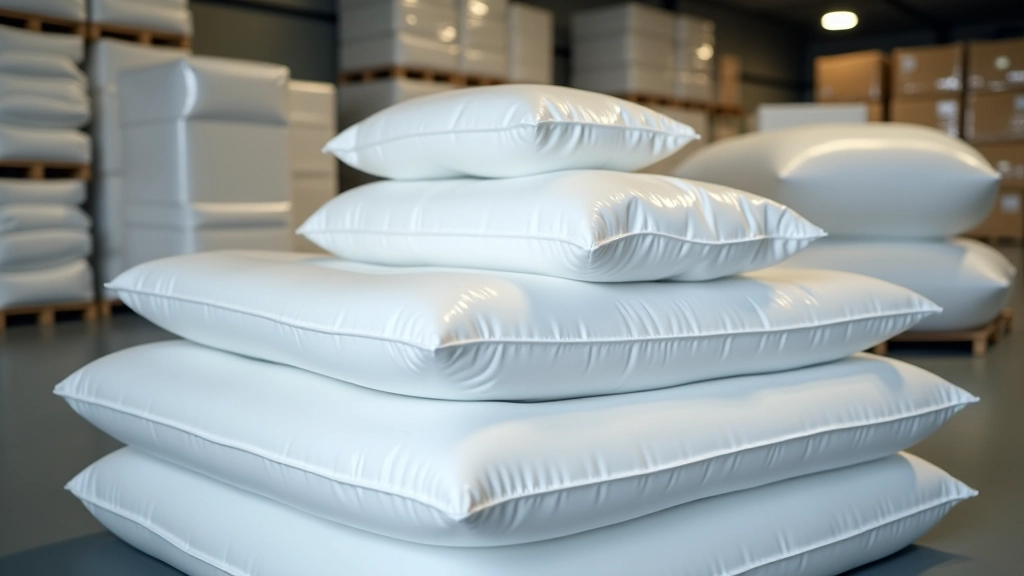
Air pillows are plastic pouches inflated with air. They're brilliant for lightweight items because they barely add weight to your shipment. If you're paying for weight-based shipping, air pillows make financial sense. They're also excellent for high-volume operations where speed matters — you can fill a box faster with air pillows than manually crumpling paper.
The downside? They're single-use. Once deflated, they're trash. Environmental concerns are real. They're also not ideal for items that need strong point protection — air pillows distribute pressure evenly, which is fine for preventing shifting but won't absorb a direct impact like foam does.
Smart use case: combine air pillows with foam corners. The foam handles shock, the air pillows prevent shifting. This combination is cost-effective and offers solid protection for mid-range products.
Author
Editorial Team
Written by the altostead editorial team, focused on practical guidance for packaging and shipping professionals in Ireland.
This article is for informational purposes only. Material selection depends on your specific products, shipping distances, and carrier requirements. We recommend testing different combinations with your own items before committing to large orders. Environmental impact varies by manufacturer and recycling infrastructure in your area — check with your local waste management for proper disposal guidance.
There's no universal "best" protective material. It depends entirely on what you're shipping. Heavy, fragile items? Foam padding with kraft paper void fill. Electronics? Antistatic bubble wrap or foam. Lightweight products? Air pillows keep shipping costs down. Budget-conscious? Kraft paper does impressive work when layered properly.
Start by asking three questions: How fragile is the item? How far is it traveling? What's your environmental priority? Your answers point directly to the right material. Most businesses end up using a combination — they're not locked into one option. You can adjust your strategy based on product type, season, and customer feedback.
Want to explore other packaging essentials? Check out our guides on corrugated boxes and sealing practices to complete your packaging strategy.
Learn the difference between single-wall and double-wall boxes, plus how to match box strength to your product weight and shipping distance.
Proper sealing keeps shipments secure and reduces damage claims. We cover tape types, application techniques, and common mistakes.

Track stock levels, forecast seasonal demand, and negotiate bulk pricing. We walk you through inventory best practices.